
Hyperconnectivity: shaping digital relationships
The theme for The 2015 Canadian Telecom Summit [June 1-3 in Toronto] is “Hyper Connectivity: Shaping Personal & Business Digital Relationships.” As more of our appliances, vehicles, devices and things get connected to a global backbone, there are fundamental impacts on infrastructure, operations and human resources to manage the digital interaction.
Our “Internet of things: Hyper Connectivity” panel on June 3 will examine these themes.
The confluence and integration of mobile, cloud, analytics, social media, and apps under the larger banner of IoT (The Internet of Things) are rapidly reshaping the competitive nature of economies around the world. An IoT economy that is projected to be around $9 trillion globally by 2020, according to IDC research.
As more devices get connected to the Internet from cars, health sensors, grids, transportation, to large-scale manufacturing and smart cities—the sum of data offered by such a connected world is growing exponentially. Cisco Systems estimates that approximately 12.1 billion Internet-connected devices were in use during April 2014, and that figure is expected to grow to above 50 billion by 2020. Businesses are increasingly leveraging this cumulative intelligence to increase scale and scope, rapidly reshaping our digital economy to an intelligence economy.
This panel is a rare opportunity to hear from key industry and policy makers on how best to position Canada in this impending connected economy and address the various catalysts to better shape services for Canadians and help businesses respond to global markets, among these are: telecom infrastructure needs, knowledge & talent, trade policies, access to capital, culture of organizations, others.
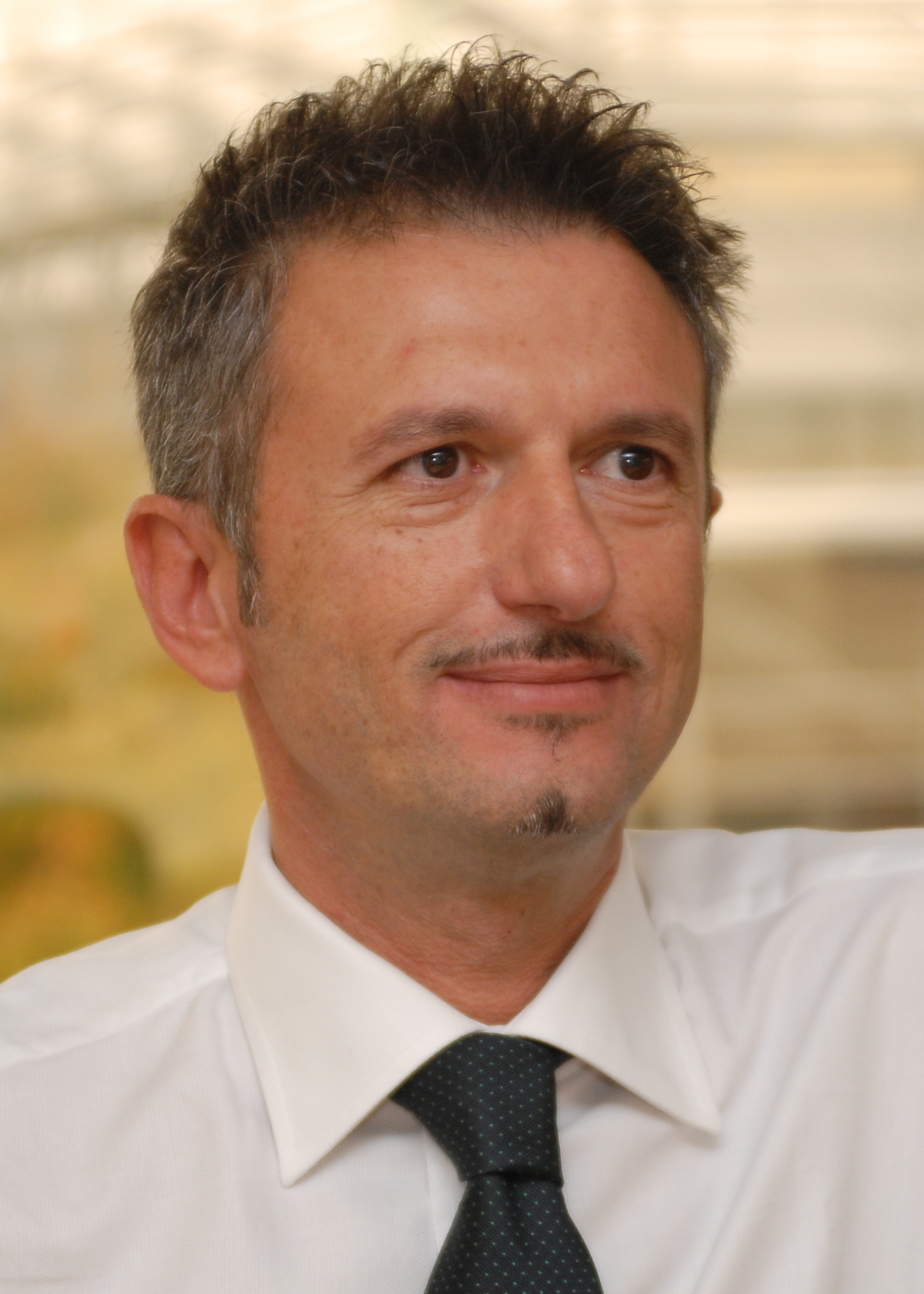
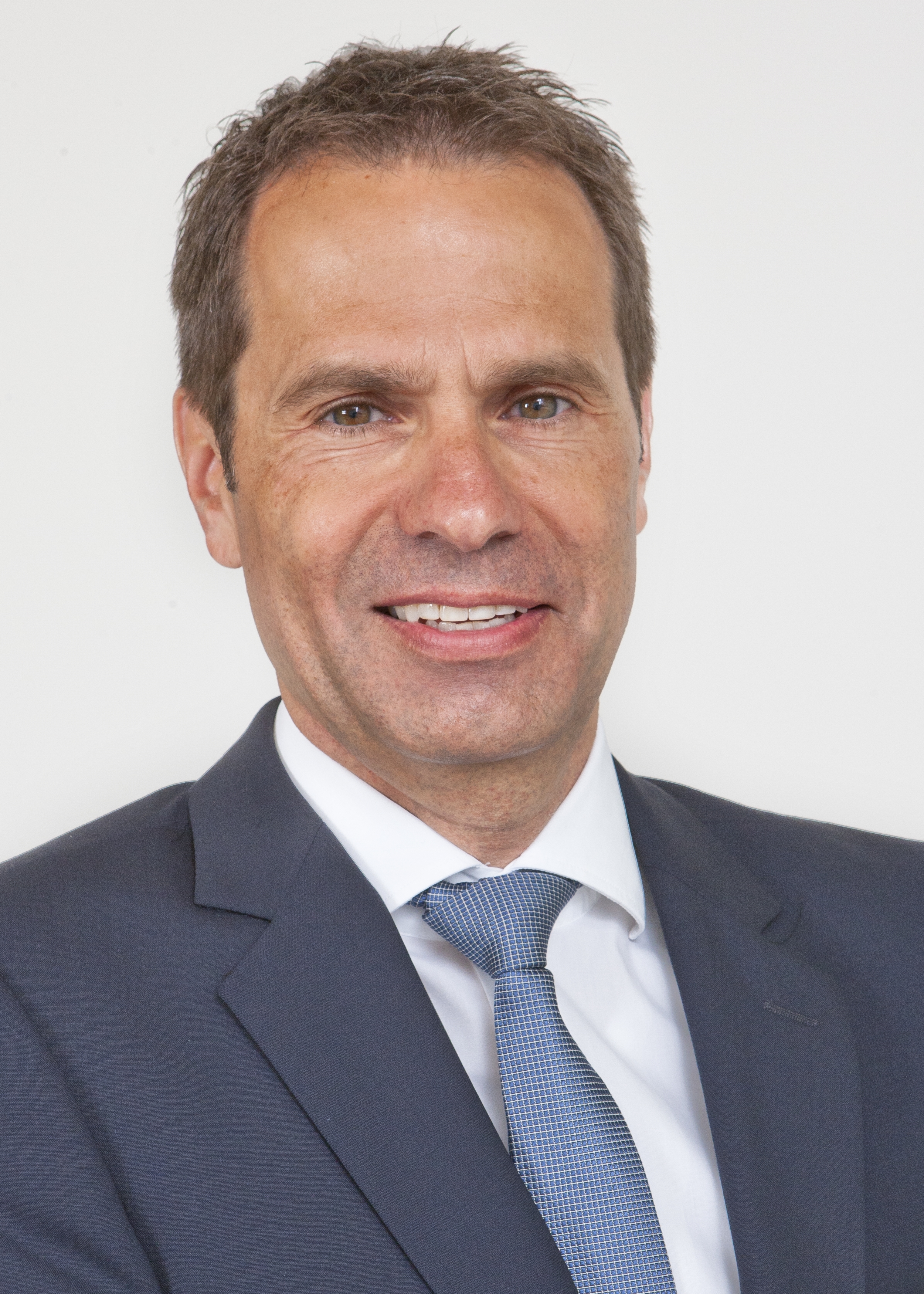
The panel will be moderated by Namir Anani, the CEO of Canada’s Information and Communications Technology Council. We are pleased to have confirmed SaskTel CEO Ron Styles, Shared Services Canada CEO Liseanne Forand, Siemens Canada CEO Robert Hardt and Nokia Networks Head of OSS and CEM, Nicola Marziliano to be on that panel.
Wednesday June 3, 2015: 11:00 am |
||||||||
|
|
|||||||
|
|
|
||||||



As Canada’s largest purchaser of communications services, Shared Services Canada is consolidating the Government of Canada’s 50 wide-area networks (WANs) into a single enterprise network; establishing a shared network infrastructure in office buildings that house multiple departments; and securing and optimizing connections to the Internet. As Shared Services works to generate savings while improving service and security for the Government of Canada, it will be interesting to learn how the agency is helping government prepare for opportunities enabled by hyper connectivity and the internet of everything.
Siemens, a global engineering and electronics conglomerate is leveraging the internet of things, deploying an IoT architecture in its manufacturing processes and product quality assurance, as it becomes able to analyse data from sensors, machines and manufacturing processes.
SaskTel is the largest government owned telecommunications service provider in Canada. Its unique ownership structure and market position create opportunities for leadership in delivering on its commitment to making Saskatchewan a better place to live.
From the first ever call on GSM, to the first call on LTE, Nokia Networks operates at the forefront of each generation of mobile technology. How will networks accommodate the connections and data generated by the internet of things?
These are just some of the industry leading speakers who are going to be at The 2015 Canadian Telecom Summit, June 1-3, in Toronto. Check the website frequently to see the latest additions to the agenda.
Have you registered yet?